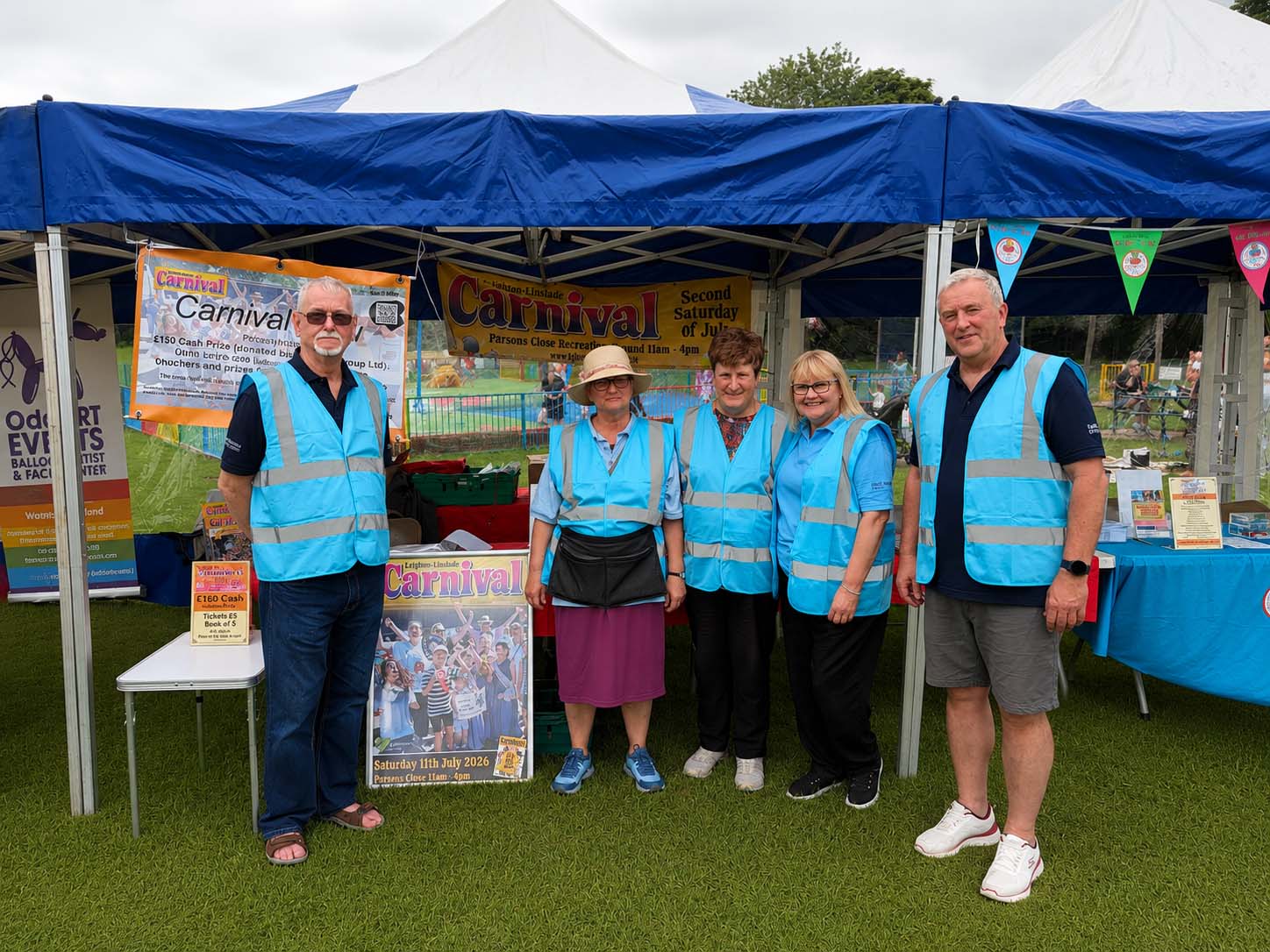
Our mission is to bring the people of Leighton-Linslade together through an inclusive, community-led Carnival that celebrates our town, its people, its heritage and its future.
We aim to provide a free and welcoming community event in which everyone can participate, regardless of age, background or circumstance. Through the Carnival procession and associated activities, we create opportunities for local residents, community groups, schools, charities, voluntary organisations, businesses and other organisations to come together, take part and celebrate as one community.
We are committed to:
Bringing our community together by creating opportunities for people to meet, participate and build lasting connections.
Promoting inclusion and participation, ensuring that the Carnival is accessible and welcoming to all sections of our community.
Celebrating local identity and heritage, recognising the history, traditions and distinctive character of Leighton-Linslade.
Encouraging volunteering and community involvement, providing opportunities for people of all ages to contribute their time, skills and ideas.
Supporting community organisations and good causes, providing a platform through which local groups, charities and voluntary organisations can raise awareness and engage with the wider community.
Encouraging creativity and self-expression, particularly among children and young people, through participation in the procession and Carnival activities.
Strengthening community spirit, helping to create a sense of belonging, pride and shared ownership of our town.
Working collaboratively, wherever appropriate, with local organisations, community groups and public bodies to deliver a safe, sustainable and successful Carnival.
The Carnival is organised by volunteers from the community, for the community. We believe that its greatest value is not simply in the event itself, but in the connections, participation, volunteering, community pride and sense of belonging that it creates throughout Leighton-Linslade.
Our aim is to ensure that the Carnival remains a valued community tradition while continuing to evolve to reflect the people and aspirations of Leighton-Linslade today and in the future.

A tradition of bringing our community together
Carnival has been part of life in Leighton Buzzard and Linslade for well over a century. Although the Carnival we know today dates from the early 1960s, its roots reach much further back, with evidence of Carnival celebrations in the town before the First World War and organised Carnivals taking place during the 1920s and 1930s.
These early Carnivals were very much community occasions. Local schools, businesses, organisations, clubs and individuals took part, with decorated vehicles, walking entries, fancy dress, decorated cycles, horses and elaborate tableaux forming colourful processions through the town.
The Carnival of the 1930s gives us a fascinating glimpse of the character of the event. In 1934 and 1935, for example, the procession included decorated trade vehicles, children’s fancy dress, decorated cycles, novelty entries, mounted characters and community groups. In 1935 there was even a Parade of Monarchs, with participants representing historical kings and queens from Henry III through to George III.
The Carnival before the Second World War
The Carnival continued during the 1930s, with Carnival Queens being chosen and local people competing in a wide variety of classes.
Among the Queens recorded in the surviving historical material are Peggy Chaffin in 1934, Grace Kemsley in 1935, Mary G. Robinson in 1936, Grace Mumford in 1937 and Betty Macarthur in 1938.
The records reveal just how much effort local people put into their entries. Homemade costumes, decorated bicycles, decorated prams, advertising entries, novelty characters and large group displays were all part of Carnival life.
The Carnival was not simply something to watch. It was something in which the community took part.
The post-war years
Carnival returned after the Second World War, with records showing celebrations throughout the early and mid-1950s.
The 1950s Carnivals included Queens, attendants, decorated vehicles, trade entries, youth organisations, horse and rider classes, fancy dress and numerous community groups. Schools, the British Legion, Sea Rangers, St John Ambulance and other local organisations all featured in the procession.
However, by the middle of the decade enthusiasm and support began to decline. Although Carnival Queens continued to be selected, there were years when no Carnival procession was held.
For a few years the Royal Air Forces Association (RAFA) helped keep the tradition alive, selecting a Wings Queen as part of its Battle of Britain commemorations. By 1959, however, the lack of entries and public support had become critical. Contemporary newspaper reports recorded the symbolic “funeral” of the Carnival, reflecting the concern that a much-loved local tradition was coming to an end.
The revival – 1962
The story could have ended there.
Instead, in 1962, a group of local people decided that Carnival was too important to lose.
The Leighton Buzzard Youth Club, led by the late Peter Lymbery, took the initiative to revive Carnival as a community event. The first Carnival of the new era was held on 30 June 1962, with Margaret Woolger as Carnival Queen and Sylvia Baker as her attendant. The procession included decorated floats and trade entries, with local organisations once again coming together to celebrate their town.
This revival established the foundations of the modern Leighton-Linslade Carnival.
From that point onwards, generations of volunteers have worked to ensure that Carnival remained part of the town’s annual calendar.
A Carnival for the community
Over the decades the Carnival has changed with the times.
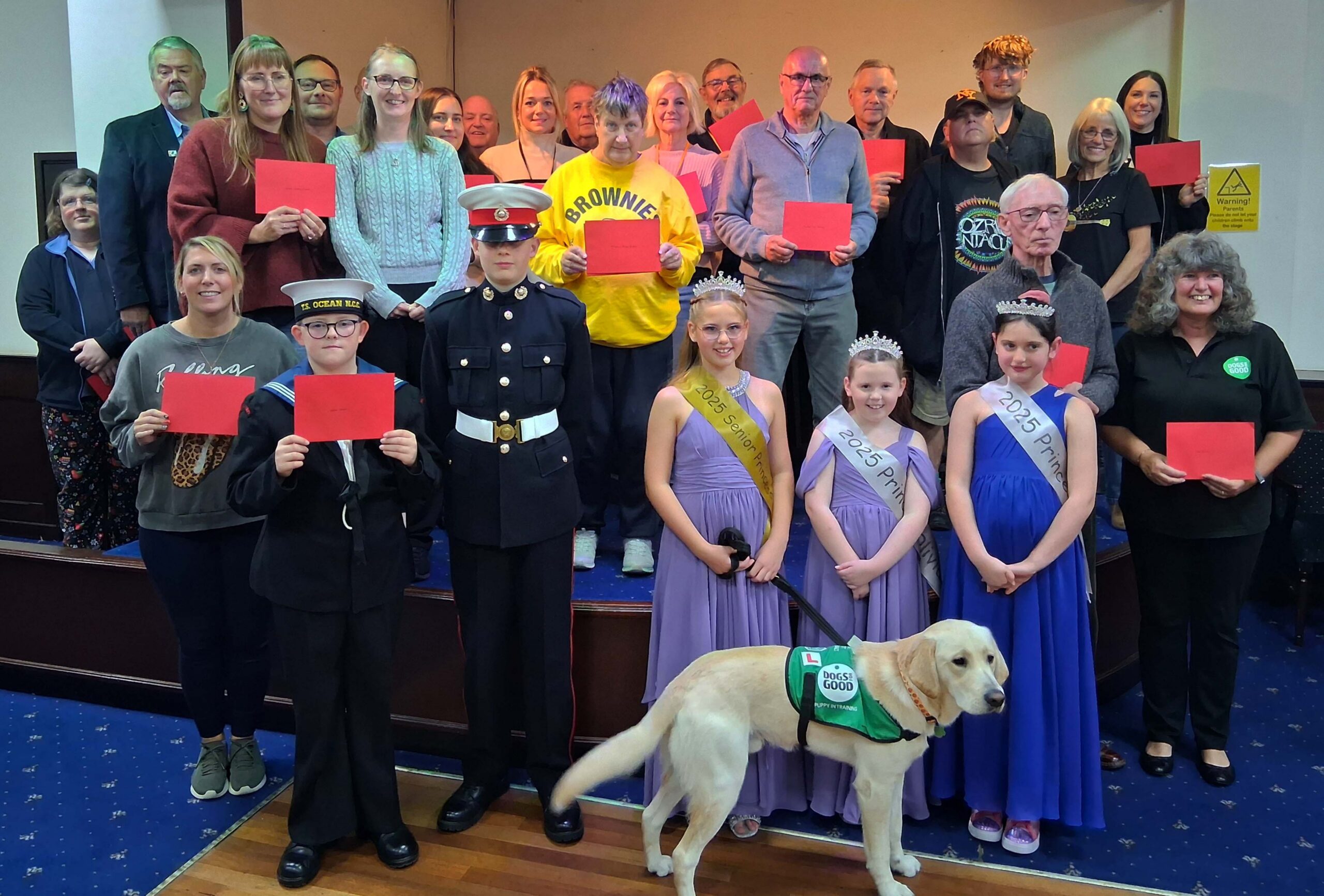
Themes have come and gone. The types of entries have evolved. Schools, youth organisations, community groups, charities, businesses and individuals have continued to create entries for the procession. Carnival Courts have changed over the years, and the event itself has developed to include activities at Parsons Close Recreation Ground alongside the traditional procession.
But one thing has remained constant: Carnival is about participation.
It is an opportunity for people from across Leighton-Linslade to come together, be creative, volunteer, celebrate and take pride in their community.
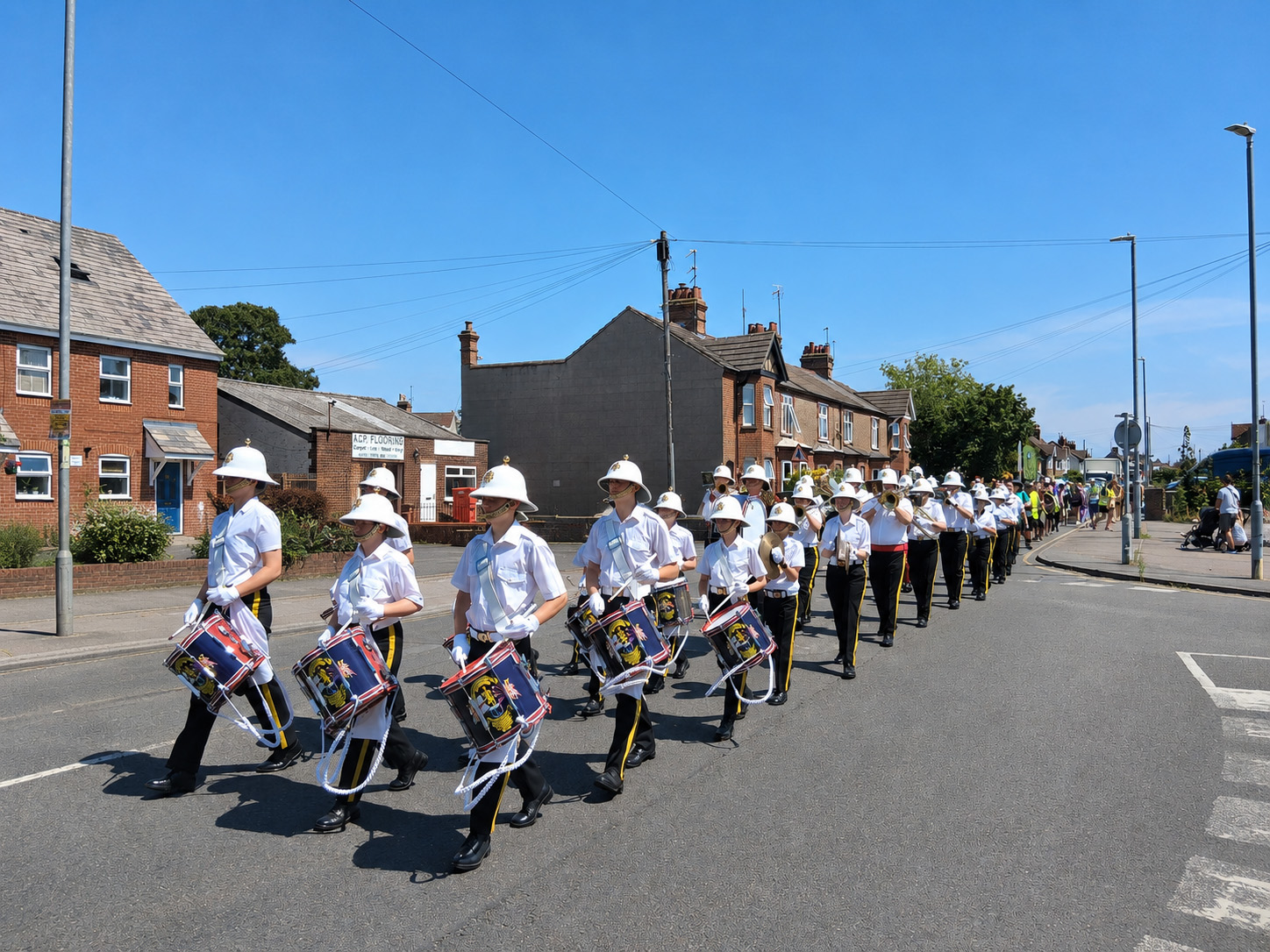
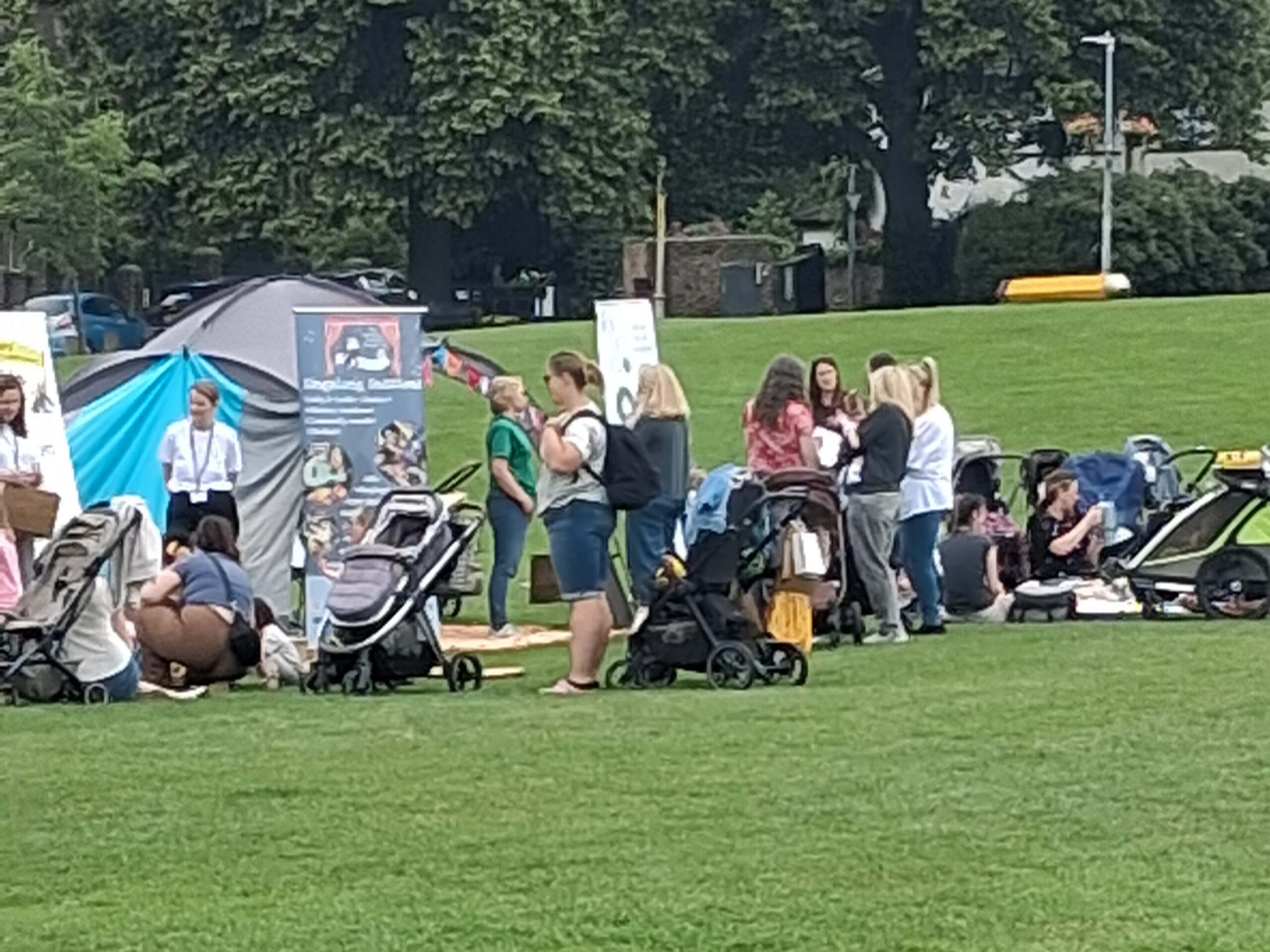
The procession remains the heart of the event, with floats, decorated vehicles, walking groups, schools, community organisations and other entries making their way through the town before arriving at Parsons Close. The event also provides an opportunity for local organisations and charities to engage with the public and, where appropriate, benefit financially from Carnival activities.
Continuing the tradition
The Carnival entered its modern era with a simple idea – that bringing people together could strengthen the community.
That idea remains at the heart of Leighton-Linslade Carnival today.
In 2020, when the COVID-19 pandemic made a traditional procession impossible, the Carnival adapted and held a virtual Carnival, demonstrating the resilience and creativity that have characterised the event throughout its history.
In the years since, the Carnival has continued to evolve while retaining its traditional community character.
Today, Leighton-Linslade Carnival is proud to be one of the town’s longest-running community traditions. It provides an opportunity for residents of all ages to participate, volunteer and celebrate together, while helping to preserve the history and identity of Leighton-Linslade for future generations.
More than a procession
For more than a century, Carnival has reflected the changing character of our town.
From the elaborate costumes and decorated bicycles of the 1930s, through the post-war Carnivals and the revival of 1962, to the Carnival we know today, the event has survived because local people have been willing to take part, volunteer and keep the tradition alive.
The names of Queens, winners and individual organisers may change from one generation to the next, but the purpose remains remarkably consistent:
To bring the people of Leighton-Linslade together and celebrate our community.
That is the legacy of Leighton-Linslade Carnival – and it is a legacy that belongs to everyone who has ever taken part.
Click on butons below to see photo archives of Carnivals

Committee & Volunteers
To help with all the administrative and organisational tasks, there is a committee structure in place, as follows
Chairman Mark Freeman, 7 Station Road, Linslade LU7 2NA
Vice-Chairman Peter May
Treasurer Jan Wright
Secretary Kathy Keeley
Committee Members John Evans, Amanda White, Pat Carberry (Event Field Manager), Sheona Hemmings (Carnival Court Administrator), Susan Humphrey, Louise Masterson (School Liaison Officer), Abbi Bown, Kirsten Sheppard, Alan Dill, Terry Baines.
Council Representative Cllr Michael Gallie
Elections are held annually in October at the AGM and all members are eligible to stand for a position on the committee. Membership of Leighton-Linslade Carnival is free of charge.
We welcome any enquiries from those wishing to get involved with Carnival and its associated events and there are a range of opportunities to get involved with one of the largest local community events in Leighton Buzzard.
If you would like to help us on a volunteer basis or as a member, we would be very grateful to hear from you. We always need helpers with leaflet and programme distribution, helping at events with setup and clearing up, manning stalls, accompanying the procession and so much more – the more helpers we can get, the easier it is to run such a large event successfully and you would be helping to raise funds for some very worthwhile causes too.
Please click the button below to send us your details.
However you may like to get involved, you will be made very welcome and we will provide you with all the training, appropriate clothing and support you need to help you enjoy Carnival as much as everyone else does!